Spacez insight · April 2026 · 8 min read
Office Fitout for Startups Melbourne: How to Fit Out Your First Office Without Wasting Money
Planning your first office fitout in Melbourne? Startup-specific guide covering costs, lease considerations, design principles, and how to build a space that…
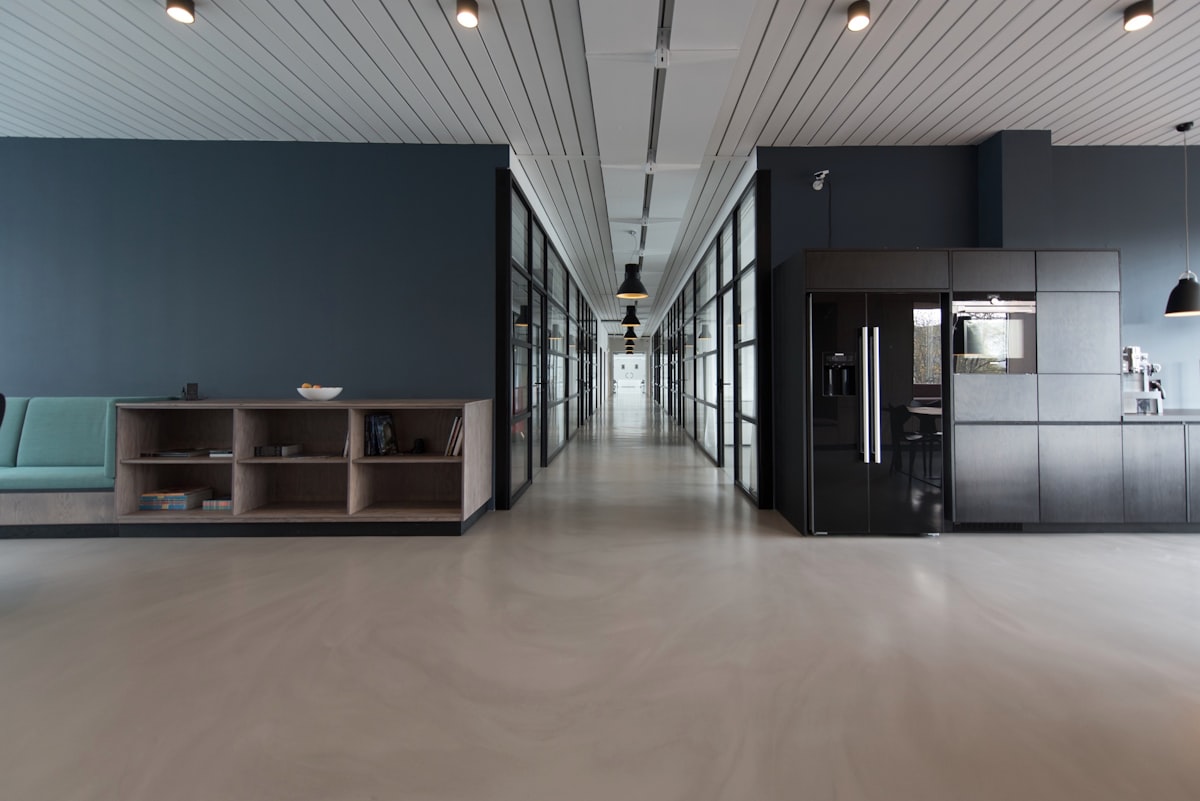
Office Fitout for Startups Melbourne: How to Fit Out Your First Office Without Wasting Money
Moving out of co-working and into your own office is a milestone. It signals that your business is growing, your team needs space to build culture, and you're ready for something that's yours.
But office fitouts are expensive. And startups — by definition — operate under constraints. You don't have an unlimited budget, an in-house facilities team, or the luxury of getting it wrong.
This guide is specifically for Melbourne startups and fast-growing small businesses making the leap to their first leased office.
Why Your First Office Fitout Matters More Than You Think
An office fitout isn't just about aesthetics. For a startup, the right space directly impacts:
- Talent acquisition: Candidates evaluate your office in interviews. A well-designed space signals stability and ambition. A bare warehouse with folding tables sends the opposite message.
- Culture and collaboration: How your space is designed influences how your team interacts. Open-plan, breakout areas, and informal meeting spaces facilitate collaboration. Individual focus zones reduce distraction. You need both.
- Client credibility: If clients visit your office, it's part of your brand experience. A fitout that reflects your values builds trust before a word is spoken.
- Retention: People spend 40+ hours a week in your office. Comfort, light, and good amenities influence how people feel about coming to work.
The fitout investment isn't just a cost — it's part of building the company.
Step 1: Get the Lease Right Before You Commit to a Fitout
Most startup fitout mistakes happen before construction starts. They happen at the lease stage.
Key lease considerations for Melbourne startups:
Lease term vs. growth trajectory
Committing to 5 years when you're projecting to double headcount in 18 months is a problem. Options to consider:
- Start with a 2–3 year term with renewal options
- Negotiate a make-good waiver or contribution on the basis of a longer lease
- Look for spaces with adjacent space available to expand into
Tenant improvement allowance (TIA)
Many Melbourne landlords offer a TIA — a cash contribution to your fitout costs in exchange for a longer lease. For a startup in a grade B or C building in an inner-city suburb, TIA of $150–$400 per sqm is negotiable. In premium CBD buildings, TIA can reach $600–$800/sqm on 5+ year terms.
Always negotiate TIA before signing. After you sign, the leverage is gone.
Make-good obligations
Your lease will almost certainly include make-good obligations — the requirement to return the space to its original condition at end of lease. This can cost $30k–$150k+ depending on what you've built. Negotiate a cash settlement option or a cap on make-good costs before signing.
Access and base building condition
For startups considering warehouse or converted industrial buildings (popular in Melbourne's inner north: Fitzroy, Collingwood, Cremorne, Brunswick), check:
- HVAC: Is there existing airconditioning, or do you need to install it?
- Electrical: What's the incoming power supply? Do you need a new switchboard?
- Amenities: Are bathrooms and kitchens already built, or are you starting from scratch?
Base building deficiencies can add $50k–$200k to your fitout scope.
Step 2: Define Your Space Requirements Honestly
Before talking to a fitout company, map out what you actually need.
Melbourne office space benchmarks for startups:
| Work Style | Sqm Per Person | Notes |
|---|---|---|
| Dense/startup | 8–10 sqm | Open plan, minimal meeting rooms, shared amenities |
| Balanced | 10–12 sqm | Mix of open plan, some enclosed spaces |
| Traditional/corporate | 14–16 sqm | More enclosed offices, larger meeting rooms |
For a 20-person startup, aim for 180–250sqm depending on how much meeting room space and storage you need.
Typical room-by-room allocation (20 people):
| Space | Sqm | Notes |
|---|---|---|
| Open plan workstations | 90–100 | 20 desks, some breakout |
| Meeting room (large) | 25 | 10-12 person boardroom |
| Meeting room (small) | 12 | 4-6 person, ideally 2 rooms |
| Phone booths / focus pods | 8–12 | 2–3 single-person quiet pods |
| Kitchen and breakout | 20–25 | Essential — central to culture |
| Entry and reception | 10–15 | Client-facing businesses especially |
| Storage and services | 10 | Server room, stationery, cleaning |
Total: ~180–200sqm for 20 people.
Step 3: Set a Realistic Budget
This is where most startups underestimate. A common mistake is budgeting for the fitout construction cost only, forgetting the ancillary costs.
Full cost of a startup office fitout in Melbourne (20 people, 200sqm):
| Item | Estimated Cost |
|---|---|
| Fitout construction (builder's works, joinery, services) | $160,000–$280,000 |
| Loose furniture (desks, chairs, tables, soft furnishings) | $40,000–$80,000 |
| IT and AV (cabling, screens, video conferencing) | $20,000–$50,000 |
| Signage and branding | $5,000–$15,000 |
| Contingency (10%) | $22,000–$42,000 |
| Total | $247,000–$467,000 |
Note: If your landlord provides a TIA, deduct that from the total. A $200/sqm TIA on 200sqm = $40,000 contribution.
Per-sqm benchmarks for startup office fitouts:
| Level | Cost Per Sqm | What You Get |
|---|---|---|
| Budget | $700–$1,000 | Workstations, basic joinery, standard HVAC |
| Mid-range | $1,200–$1,800 | Quality finishes, custom joinery, good acoustics |
| Premium | $2,000+ | Statement reception, premium materials, feature lighting |
For most startups, mid-range is the right investment. Budget fitouts often look cheap and age poorly. Premium is hard to justify at the early stage.
Step 4: Design for Where You're Going, Not Where You Are
The biggest design mistake startups make is optimising for current headcount. A 20-person company fitting out a 300sqm space should plan for 35–40 people at maximum density. Design in:
Flexibility
- Modular workstation clusters that can be reconfigured as teams change
- Meeting rooms that can be combined (operable walls) if headcount grows
- Power and data in the floor (not just walls) so desks can move
Breakout and collaboration
Melbourne's best startup offices aren't just rows of desks. They include:
- Standing height counters and casual seating near the kitchen
- Comfortable lounge areas for informal conversations
- Writable walls (glass or whiteboard surfaces) in high-collaboration zones
- A mix of quiet focus spaces and open collaborative areas
Brand integration
If you have a strong brand, integrate it into the fitout. This doesn't mean plastering your logo everywhere. It means:
- Colour palette in wall finishes, soft furnishings, and joinery accents
- Material choices that reflect your brand character (raw/industrial, minimal/modern, warm/natural)
- Reception and entry that makes a first impression
Infrastructure for growth
Install more power outlets and data points than you need now. Retrofit costs are high. Overspecify your switchboard capacity. Install conduit for future cabling even if you don't use it today.
Melbourne Suburbs: Where Startups Are Fitting Out
Cremorne and Richmond
Melbourne's startup heartland. Warehouse conversions with exposed services, polished concrete, and high ceilings are the aesthetic here. Well-served by public transport, popular with tech and creative companies. Typical fitout: $1,000–$1,600/sqm.
Fitzroy and Collingwood
Strong creative and design sector presence. Heritage terrace buildings alongside modern commercial buildings. Slightly more affordable rents than Cremorne. City of Yarra permits and heritage considerations apply in some buildings.
Melbourne CBD (Fringe)
The southern CBD fringe (around Batman Street, Bourke St western end) offers good value relative to Collins Street premium. Buildings tend to be newer, with better base building HVAC. Institutional landlords have specific fitout requirements.
Southbank and South Melbourne
Design and architecture firms, media, and corporate startups favour these suburbs. South Melbourne in particular has good parking and a strong daytime economy.
Brunswick
Growing tech and creative enclave in Merri-bek council area. More affordable than inner-east suburbs, different building typology (converted factories and commercial buildings). Slightly further from CBD but increasingly popular with startups prioritising community over prestige.
The Fitout Timeline for Melbourne Startups
Startups often underestimate how long fitouts take. When you sign a lease, the clock starts — not on day one of your rent-free period, but on the day you take possession (which may be 2–4 weeks after signing, depending on the landlord).
Realistic startup fitout timeline:
| Phase | Duration |
|---|---|
| Brief, site inspection, initial design | 1–2 weeks |
| Concept approval and design development | 2–3 weeks |
| Design documentation | 2–3 weeks |
| Landlord approval | 2–4 weeks (can overlap with documentation) |
| Building permit (if required) | 4–6 weeks (can overlap with above) |
| Construction | 6–10 weeks (depending on scope) |
| Total | 12–18 weeks from brief to handover |
If you have a hard deadline — a lease start date with rent obligations, an office launch event, a key hire starting on a specific date — build the timeline backwards from that date and engage your fitout company accordingly.
Starting 8 weeks before you need to be in is almost always too late.
Questions to Ask Your Fitout Company
When meeting with fitout companies in Melbourne, startups should ask:
- "How many startup or small business fitouts have you completed?" — Look for genuine relevant experience, not vague answers.
- "Do you manage landlord approvals and permits, or is that our responsibility?" — It should be theirs.
- "What is your payment schedule?" — Industry standard is deposit, progress payments, and final payment on handover. Avoid companies demanding large upfront deposits.
- "Who will be our project manager and how available are they?" — You want a named PM, not a revolving door of contacts.
- "Can we visit a recently completed project?" — Any reputable company will say yes.
Frequently Asked Questions
How much does an office fitout cost for a 20-person startup in Melbourne?
For a mid-range fitout of approximately 200sqm, budget $160,000–$280,000 for construction, plus $60,000–$130,000 for furniture, IT/AV, and signage. Total range: $220,000–$410,000 before any landlord TIA contribution.
How long does a startup office fitout take in Melbourne?
12–18 weeks from brief to handover is typical. Start planning the moment your lease is signed — or before.
Should I buy or lease furniture for a startup fitout?
Lease if cash flow is tight in the early stages; buy when you're confident in the headcount and layout. Mid-range owned furniture (Herman Miller, Humanscale, Haworth) holds its value and lasts 10+ years. Cheap furniture ends up being replaced within 3 years, costing more overall.
Can I get a tenant improvement allowance as a startup?
Yes — but only if you negotiate it before signing the lease. TIA is most available in grade B/C buildings and in markets where the landlord needs to fill space. It's less common in tight markets (Melbourne CBD grade A) and in very short lease terms.
What's the difference between fitout and furniture?
Fitout refers to built construction works — walls, ceilings, joinery, services (HVAC, electrical, data). Furniture refers to loose items — desks, chairs, storage. Fitout companies handle construction; furniture can be sourced separately or through the fitout company's supply network.
Ready to Fit Out Your Melbourne Startup Office?
Spacez has fitted out offices for Melbourne's growing startups and scale-ups — from 15-person seed-stage companies to 150-person Series B organisations. We understand startup dynamics: timeline pressure, budget discipline, and the need to build a space that can grow.
[Talk to us about your office →]
We'll visit your space, review your brief, and give you a clear, itemised proposal within 5 business days.
Spacez — Melbourne commercial fitout specialists.