Spacez insight · March 2026 · 7 min read
Sustainable Office Fitout Melbourne | Green Fitout Specialists
Sustainable office fitout specialists in Melbourne. Energy-efficient design, low-VOC materials, NABERS alignment, and Green Star-ready fitouts. Get a free…
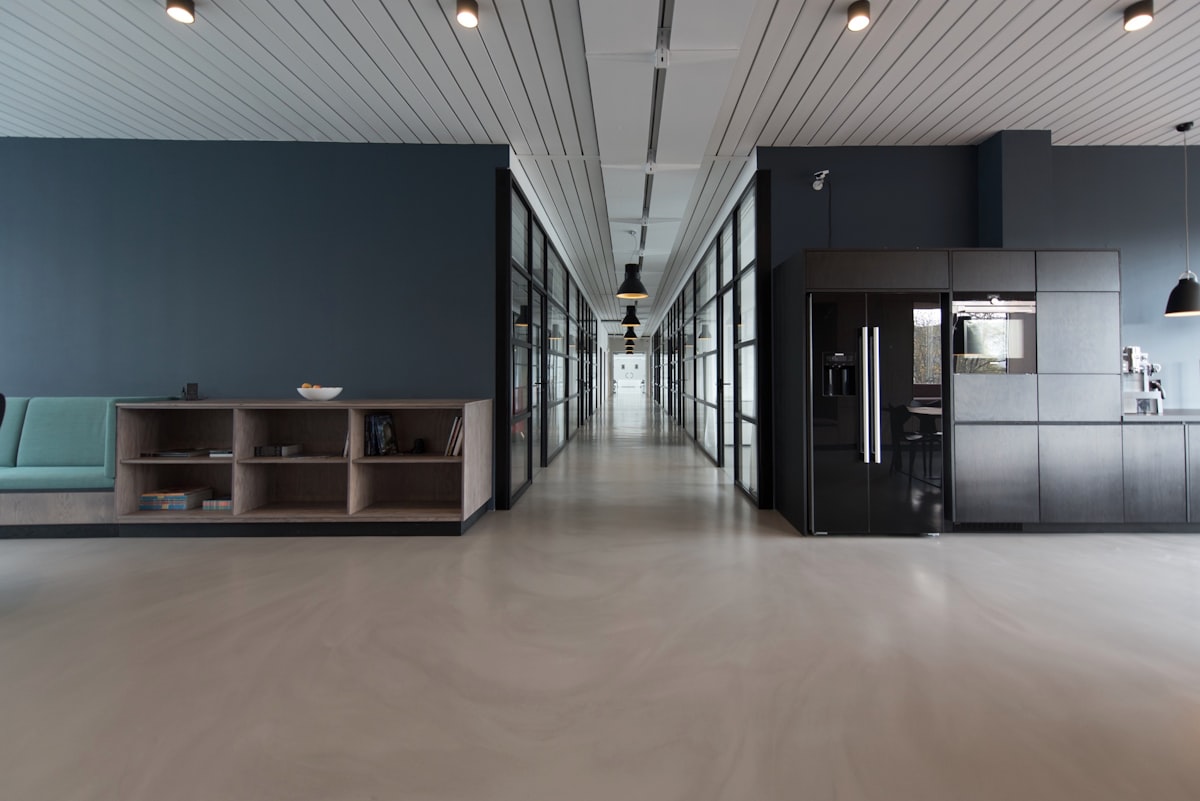
Sustainable Office Fitout Melbourne: A Practical Guide for 2026
Sustainability has moved from a nice-to-have to a genuine business requirement for many Melbourne organisations. ESG reporting obligations, corporate net-zero commitments, lease requirements in green-rated buildings, and staff expectations around workplace values are all driving demand for sustainable office fitouts.
But "sustainable fitout" is a term that can mean almost anything — from a tin of low-VOC paint to a full NABERS Tenancy Energy assessment. This guide explains what a sustainable office fitout in Melbourne actually involves, what it costs, and how to approach it practically.
Why Sustainable Fitouts Matter in Melbourne in 2026
Tenant obligations in green-rated buildings
Many of Melbourne CBD's A-grade office towers carry NABERS Energy or Green Star ratings. Tenants in these buildings often have lease obligations to maintain the building's rating — which means your fitout must not undermine the building's energy or water performance.
Corporate ESG commitments
Listed companies, professional services firms, and businesses with large enterprise clients increasingly need to report on Scope 3 emissions — which includes the embodied carbon in fitout materials and the operational energy of the tenancy. Sustainable fitout decisions directly affect these numbers.
Staff attraction and retention
In Melbourne's competitive employment market, workplace values matter. A fitout that visibly demonstrates sustainability commitments — recycled materials, natural light, biophilic design — resonates with staff who care about where they work.
Cost savings over time
Energy-efficient fitouts genuinely reduce operating costs. LED lighting, efficient HVAC, sensor controls, and sub-metering don't just lower your carbon footprint — they reduce your energy bill.
What Makes a Fitout "Sustainable"?
Sustainable fitout encompasses several distinct areas:
1. Embodied Carbon and Materials
Embodied carbon is the CO₂ emitted in the production, transport, and installation of building materials — before the building is ever occupied.
Lower embodied carbon choices:
- Recycled and reclaimed materials (timber, steel, brick)
- FSC-certified timber products
- Low-carbon concrete and steel where structural
- Locally manufactured materials (shorter transport distances)
- Refurbishing and reusing existing fitout elements rather than strip-out and rebuild
Material health:
- Low-VOC paints, adhesives, and sealants (VOCs affect indoor air quality)
- Formaldehyde-free joinery and MDF products
- Carpet with Green Label Plus or similar certification
2. Energy Efficiency
Lighting:
- Full LED throughout (standard in modern fitouts)
- Daylight sensors and occupancy sensors to reduce energy when spaces are unused
- Tunable white lighting (supports circadian rhythm, reduces fatigue)
- Lighting controls that allow tenants to manage zones and schedules
HVAC:
- Specify efficient fan coil units or VRF systems where you have influence
- Demand-controlled ventilation (CO₂ sensors control fresh air volumes)
- Thermal zoning to avoid conditioning unoccupied areas
- Insulation for enclosed rooms within open-plan spaces
Technology:
- Smart building integration (energy monitoring, automated controls)
- Server room/IT room cooling efficiency
- Power strips with individual switching to reduce standby loads
3. Water Efficiency
- WELS-rated tapware (minimum 3-star)
- Dual-flush toilets
- Sensor-activated taps in bathrooms and kitchens
- Sub-metering water where possible (for tenant NABERS Water ratings)
4. Waste Minimisation
During construction:
- Construction waste management plan
- Materials sorted for recycling: steel, timber, plasterboard, carpet tiles
- Target: less than 40kg/sqm construction waste to landfill (GBCA benchmark)
Operational waste:
- Dedicated recycling stations in kitchen and throughout
- Compost provision (food waste)
- E-waste collection points
- Waste signage and education
5. Indoor Environment Quality (IEQ)
- Operable windows where possible (Melbourne's climate suits natural ventilation for a large part of the year)
- Biophilic design elements (plants, natural materials, visual connection to outside)
- Acoustic design (noise stress is a genuine health issue in offices)
- Views and access to daylight (minimum 75% of workstations with daylight access is a Green Star benchmark)
NABERS and Green Star: What You Need to Know
NABERS Tenancy Energy
NABERS (National Australian Built Environment Rating System) rates the operational energy performance of a tenancy on a 0–6 star scale. A NABERS Tenancy Energy rating requires:
- Sub-metering of the tenancy's energy use
- 12 months of operational data
- Verification by an accredited assessor
To achieve a strong NABERS Tenancy rating, your fitout needs to include energy sub-metering infrastructure and efficient base building services.
Green Star Interiors
Green Star Interiors (GBCA) is a design and as-built certification for fitouts. It covers nine categories: Management, Indoor Environment Quality, Energy, Transport, Water, Materials, Land Use & Ecology, Emissions, and Innovation.
A Green Star Interiors certification requires engagement of a Green Star Accredited Professional and a documentation-heavy submission process. It's relevant for: listed companies with sustainability reporting obligations, government tenants, and businesses occupying Green Star-rated buildings whose lease requires the tenant fitout to maintain the rating.
Is Green Star Interiors right for you?
For most Melbourne commercial fitouts, a formal Green Star certification is not required. Applying Green Star principles to your fitout design — without the formal certification — is often the practical approach: you get the sustainability benefits without the certification overhead.
Sustainable Fitout Cost in Melbourne
Sustainable fitout typically adds a cost premium, but it's often smaller than people expect:
| Sustainability Element | Approx. Premium Over Standard |
|---|---|
| LED + sensors (vs basic LED) | 3–8% on lighting budget |
| Low-VOC materials throughout | 2–5% on materials |
| Waste management plan + sorting | 1–3% on project cost |
| Green Star documentation (if pursuing certification) | $30,000–$80,000+ in consultant fees |
| NABERS sub-metering infrastructure | $5,000–$20,000 depending on fitout size |
| Full sustainable specification | 5–15% premium on base fitout cost |
The long-term case:
Energy-efficient fitouts typically pay back within 3–5 years through reduced energy costs. LED lighting with sensors vs standard LED saves approximately 20–40% on lighting energy. For a 500sqm office, this can represent $5,000–$15,000 per year in energy savings.
Melbourne's Sustainable Fitout Landscape
Green-rated buildings in Melbourne CBD
Melbourne's A-grade commercial market has strong Green Star and NABERS representation. Buildings like 1 Collins Street, 447 Collins Street, and the Docklands commercial towers have active sustainability management teams who work with tenants on fitout specifications.
Government tenants
Victorian Government agencies are required to meet the Australian Government's lease commitments — including minimum 4.5 NABERS Energy for tenancies over a certain size. If you're a government tenant or contractor, sustainable fitout requirements may be mandatory.
B-Corp and values-driven businesses
Melbourne has a significant B-Corp and values-led business community. For these organisations, a sustainable fitout is a natural expression of organisational values — and often a recruitment advantage.
Practical Sustainable Fitout Choices for Melbourne Offices
You don't need formal certification to make your fitout substantially more sustainable. Here are the highest-impact choices for a Melbourne office fitout:
Start here (low cost, high impact):
- Full LED with occupancy sensors — standard in any good fitout, minimal premium
- Low-VOC paints and adhesives throughout — small cost difference, significant IEQ benefit
- Construction waste sorting — ask for a waste management plan in your fitout contract
- Daylight-first space planning — put workstations where the windows are
- Specify locally manufactured joinery where possible
Next level:
- FSC-certified timber in visible joinery elements
- Recycled or reclaimed material accents (feature wall, reception desk)
- WELS-rated tapware (3-star minimum)
- Biophilic design elements (live plants, planting walls, natural materials)
- Demand-controlled ventilation if you have influence over HVAC specification
For committed sustainable fitouts:
- Embodied carbon assessment of materials specification
- NABERS sub-metering infrastructure
- Green Star Interiors certification (with Green Star AP)
- Life cycle analysis of key material choices
Frequently Asked Questions
Does a sustainable fitout cost significantly more than a standard fitout?
For most elements, the premium is modest (5–10% on the relevant budget items). The biggest cost is Green Star certification if you pursue formal accreditation — which adds $30,000–$80,000+ in consultant fees. Sustainability without certification is very achievable at minimal cost premium.
Is Green Star Interiors mandatory for tenants in Green Star buildings?
It depends on your lease. Some leases in Green Star buildings require tenant fitouts to comply with specified sustainability criteria. Check your lease before designing the fitout.
Can Spacez deliver a Green Star Interiors fitout?
We can deliver the construction to Green Star standards and work with your Green Star Accredited Professional. We don't manage the Green Star documentation process ourselves, but we have experience working alongside sustainability consultants on certified projects.
What is the biggest sustainability mistake in office fitouts?
Stripping out a perfectly serviceable existing fitout unnecessarily. The most sustainable fitout decision is often to refurbish what's there — new flooring, fresh paint, updated lighting, targeted joinery — rather than a full strip-back. Embodied carbon in the existing fitout is already spent; demolishing it and starting fresh doubles the embodied carbon impact.
How does biophilic design contribute to sustainability?
Biophilic design — incorporating plants, natural materials, daylight, and views of nature — primarily contributes to indoor environment quality (IEQ) and occupant wellbeing rather than direct carbon reduction. However, plants can improve indoor air quality (absorbing some VOCs) and biophilic spaces have been shown to improve staff wellbeing, reduce absenteeism, and increase productivity — which are real organisational sustainability benefits.
Get a Sustainable Office Fitout Quote in Melbourne
Spacez designs and builds office fitouts that meet modern sustainability expectations — whether that's a fully certified Green Star Interiors project or a high-quality fitout built with sustainable materials and energy-efficient systems.
We'll discuss your sustainability goals at the briefing stage and design your fitout to meet them — without unnecessary certification overhead unless it's required.
Request a Free Sustainable Office Fitout Quote →
Spacez | Sustainable Office Fitout Melbourne | Green & Energy-Efficient Commercial Fitouts